Leave Your Message
Precision monitoring solutions tailored for commercial kitchens and food processing plants

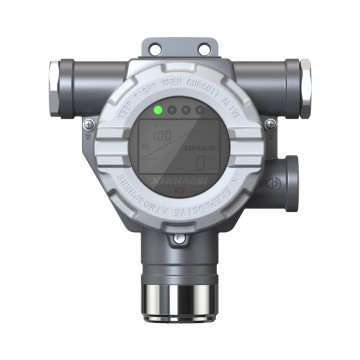
In modern commercial kitchens and industrial food processing facilities, gas safety is not just a regulatory compliance box to check; it is a critical pillar of operational integrity, employee safety, and business continuity. These environments rely heavily on natural gas, liquefied petroleum gas (LPG), ammonia for refrigeration, and carbon dioxide for beverage carbonation and modified atmosphere packaging (MAP). The unique combination of high heat, constant moisture, airborne grease, and continuous operations makes gas detection systems indispensable. As safety standards tighten globally, integrating advanced, AI-driven gas detectors and emergency shut-off systems has become the gold standard for mitigating risks.
Continuous monitoring of Methane (NG) and Propane (LPG) to prevent catastrophic explosions in busy cooking lines and high-temperature baking ovens.
Early leak detection of toxic Ammonia (NH3) and Carbon Dioxide (CO2) in industrial cold storage facilities to protect workers and prevent product loss.
Connecting smart gas safety valves directly to fire panels and ventilation networks to enable automatic gas shut-off and emergency ventilation.
Commercial kitchens—ranging from busy restaurant kitchens to large-scale hotel dining and school cafeterias—operate under intense physical demands. Multiple gas cooktops, high-capacity fryers, and massive baking ovens run continuously. Because these appliances consume vast volumes of natural gas or LPG, even a minor leak in a gas line, fitting, or coupling can rapidly accumulate to explosive levels. Furthermore, incomplete combustion of these gases due to poorly maintained equipment or inadequate ventilation can lead to the silent buildup of Carbon Monoxide (CO), an odorless, colorless gas that poses immediate life safety hazards to kitchen staff.
In the food processing industry, the scale of risk increases exponentially. Industrial bakeries, snack food manufacturing plants, and meat processing facilities operate massive gas-powered ovens, roasters, and steam boilers. In addition to combustible fuel gases, these facilities utilize specialized gases for preservation and cooling. For instance, Ammonia (NH3) is the primary refrigerant used in large-scale cold storage systems due to its high thermodynamic efficiency. However, ammonia is highly toxic and corrosive. A leak in a refrigeration line can contaminate food products, damage expensive machinery, and cause severe respiratory injury or death to personnel. Similarly, Carbon Dioxide (CO2) is widely used in modified atmosphere packaging (MAP) to extend food shelf life and in beverage carbonation. CO2 is heavier than air and can accumulate in low-lying areas, causing asphyxiation risks.
To design an effective gas safety framework, it is crucial to understand the distinct zones within commercial kitchens and processing plants that require targeted monitoring:
This is the most active zone in any commercial kitchen. Sensors must be placed near the ceiling for natural gas (which is lighter than air and rises) or near the floor for LPG/propane (which is heavier than air and settles). Due to the presence of airborne cooking grease, oil mist, and high temperatures, gas detectors in this area require robust filters and protective housings to prevent sensor poisoning and false alarms.
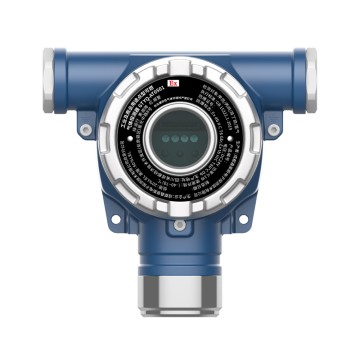
Ammonia refrigeration plant rooms require continuous monitoring using explosion-proof, toxic gas detectors. Sensors must be positioned near potential leak sources, such as compressors, valves, and pumps. In large freezer rooms, detectors must be rated for low-temperature operation to ensure reliability and prevent drift.
Whether it is bulk LPG storage tanks outside the building or indoor CO2 cylinder racks for beverage systems, these storage spaces are prone to leaks during cylinder changeovers or due to valve wear. Dedicated detectors linked to local audio-visual alarms ensure that staff are warned before entering these confined spaces.
In packaging lines utilizing MAP (Modified Atmosphere Packaging), CO2 and Nitrogen levels must be monitored. If a packaging machine's gas supply line leaks, the concentration of oxygen in the surrounding area can drop dangerously low. Room gas monitors equipped with oxygen depletion sensors and CO2 sensors are essential here.
The gas detection industry is experiencing a wave of technological advancements, driven by the integration of AI, the Internet of Things (IoT), and smart automation.
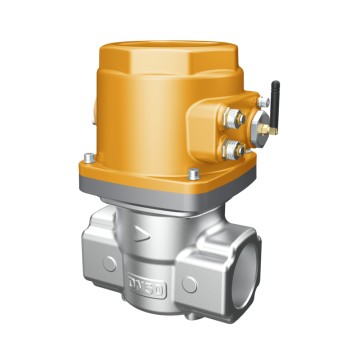
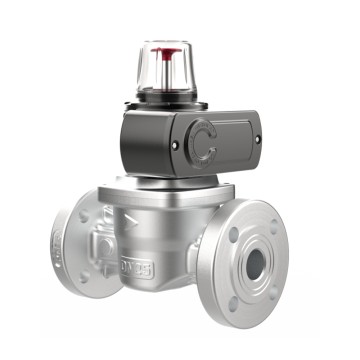
A. Smart AI-Driven Safety Systems: Modern gas safety systems no longer just sound an alarm; they act. AI-enabled gas safety valves, such as the *China Industrial Smart AI Gas Safety Valve*, are integrated directly with gas detectors. When a leak is detected, the system automatically shuts off the gas supply at the main header, activates the exhaust hoods to clear the gas, and alerts facility managers via mobile applications.
B. IoT and Cloud Monitoring: Facility managers responsible for multiple kitchen locations or large processing plants now utilize centralized cloud dashboards. Real-time gas concentrations, sensor health, calibration schedules, and alarm histories are accessible from anywhere. This allows for predictive maintenance, ensuring sensors are replaced before they fail.
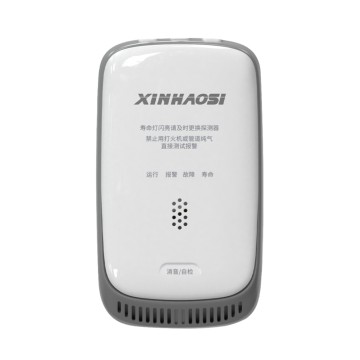
C. Multi-Sensor Integration & Wireless Protocols: To simplify installation in existing kitchens without tearing down walls for wiring, wireless bus-type gas detectors (like the *JT-AT2004BII Household Bus-type Combustible Gas Detector* adapted for commercial zones) are gaining popularity. These devices form a mesh network, sending data to a central controller while reducing installation costs.
Compliance with global and regional safety standards is a driving force behind the adoption of high-performance gas detectors. In the United States, NFPA 96 (Standard for Ventilation Control and Fire Protection of Commercial Cooking Operations) and NFPA 54 (National Fuel Gas Code) dictate the installation of automatic gas shut-off valves linked to fire suppression systems. In Europe, EN 378 regulates safety and environmental requirements for refrigeration systems, making ammonia and CO2 detection mandatory in plant rooms. In China, strict national standards implemented in 2026 require commercial catering facilities to install certified gas detection and automatic shut-off systems, raising the industry safety bar to prevent accidents.
Implementing an effective gas detection system requires careful planning:
Explore our comprehensive range of industrial, household, and commercial safety systems engineered to protect lives and assets.
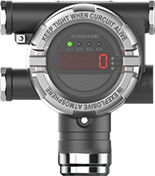
Detection Systems - Safety First from Precision Sensing

Gas Detectors - Home Safety from Gas Monitoring
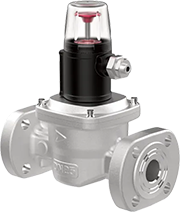
Gas Solenoid Valves - Protecting from the Source
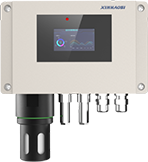
Distribution & Monitoring - Smart Sensing for Urban Gas


Future Ready Safety Solutions
Founded in 2003, Xinhaosi is one of the most influential and reliable brands in the gas safety industry. We provide customer-focused products and services to safeguard the safe operation of every factory, the comfort of every city, and the peace and happiness of every home. Powered by cutting-edge production systems and technology, we deliver more advanced, intuitive, and precise gas safety solutions for shaping a safer future world.
More About UsEmpowered by technology, Full-chain integration, Comprehensive protection, Shaping the future with intelligence.
We utilize advanced electronic detection technology to make unknown gas leak risks clear and visible. Our tailored solutions cover commercial kitchens, industrial food processing plants, chemical facilities, and urban gas distribution networks.
More About SolutionsOur systems are engineered to integrate seamlessly with building management systems (BMS), fire alarm panels, and automated emergency shut-off valves, ensuring immediate risk mitigation without human intervention.
























Stay informed with the latest developments, regulations, and technological breakthroughs in the global gas safety and detection sectors.
The global gas detection industry is witnessing a surge of technological breakthroughs in early 2026, with leading players launching advanced solutions that integrate precision sensing, real-time connectivity, and multi-functional safety features to address evolving risks in high-hazard sectors like oil and gas, chemicals, and refining.
As Battery Energy Storage Systems (BESS) play an increasingly critical role in global renewable energy grids, the demand for specialized gas detection equipment tailored to BESS safety needs is surging—driven by risks like thermal runaway, which releases hazardous gases such as hydrogen (H₂), carbon monoxide (CO) and methane (CH₄).
China has rolled out a suite of new national standards and technical regulations for gas detection equipment in 2026, marking a critical shift toward stricter safety oversight and pre-accident prevention across high-risk sectors like petrochemicals, catering, and municipal engineering.
Explore our full line of safety systems certified for commercial kitchens and food processing facilities