Leave Your Message
Explore our top-tier explosion-proof gas detectors specifically calibrated for the harsh, highly corrosive environments of wastewater treatment facilities.
Wastewater treatment and sewage plants are critical infrastructures that sustain modern urban living. However, the biochemical processes involved in breaking down organic waste inherently produce highly dangerous byproducts, most notably Methane (CH4) and Hydrogen Sulfide (H2S). Methane is a colorless, odorless, and highly flammable gas. In the confined spaces of a sewage plant—such as anaerobic digesters, wet wells, primary clarifiers, and underground pump stations—methane can accumulate rapidly. When the concentration reaches its Lower Explosive Limit (LEL) of 5% by volume in air, any ignition source can trigger a catastrophic explosion.
Commercially, the global market for gas detection in water and wastewater facilities is experiencing unprecedented growth. This surge is driven by stringent international safety regulations, including OSHA (Occupational Safety and Health Administration) standards in the US, ATEX directives in Europe, and newly updated national safety protocols in Asia. Regulatory bodies are no longer accepting reactive safety measures; they mandate proactive, continuous, and highly accurate monitoring. Facility operators face immense pressure to protect personnel, prevent costly infrastructure damage, and avoid severe environmental penalties associated with uncontrolled biogas releases.
The current industrial status reveals a massive shift from legacy point-detection systems to integrated, smart sensing networks. Modern municipal authorities and private water treatment conglomerates are investing heavily in Explosion-Proof Combustible Gas Detectors that offer real-time data transmission, self-calibration, and seamless integration with SCADA (Supervisory Control and Data Acquisition) systems. The commercial demand is clear: detectors must be rugged enough to withstand extreme humidity, highly corrosive atmospheres (due to H2S), and fluctuating temperatures, while maintaining pinpoint accuracy to prevent false alarms that disrupt operations.
Meeting strict ATEX, IECEx, and SIL2 standards to ensure legal operation and protect workers from explosive hazards in confined spaces.
Seamlessly connecting gas detectors to central control systems via 4-20mA, RS485, or wireless protocols for real-time facility monitoring.
Engineered with stainless steel housings and advanced sensor coatings to resist corrosion from hydrogen sulfide and high humidity.

We utilize advanced electronic detection technology to make unknown gas leak risks clear and visible. Founded in 2003, Xinhaosi is one of the most influential and reliable brands in the gas safety industry. We provide customer-focused products and services to safeguard the safe operation of every factory, the comfort of every city, the peace and happiness of every home.
Powered by cutting‑edge production systems and technology, we deliver more advanced, intuitive, and precise gas safety solutions for shaping a safer future world. Empowered by technology, full-chain integration, and comprehensive protection, we are shaping the future with intelligence.
More About Us Solutions
Deploying a Gas Methane Detector in a wastewater treatment plant is not a one-size-fits-all endeavor. The facility is a complex ecosystem of distinct zones, each presenting unique gas accumulation profiles and environmental challenges. Understanding these deep-dive application scenarios is crucial for designing a foolproof safety architecture.
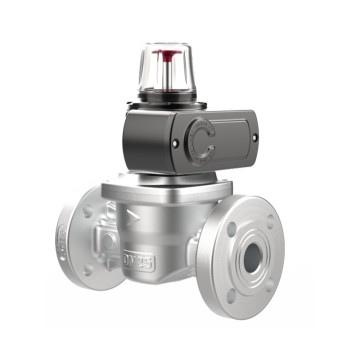
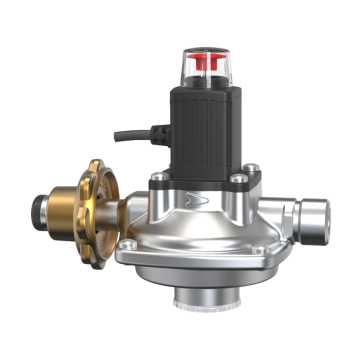
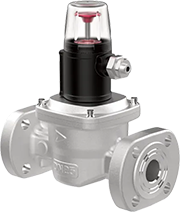
The core of modern sewage treatment involves anaerobic digestion, a biological process where microorganisms break down sludge in the absence of oxygen. This process intentionally generates biogas, which is primarily composed of Methane (60-70%) and Carbon Dioxide. While this biogas is often harvested as a renewable energy source to power the plant, any leak in the digester dome, piping, or storage spheres poses a massive explosion risk. Methane detectors deployed here must utilize Non-Dispersive Infrared (NDIR) sensors. Unlike traditional catalytic bead sensors, NDIR sensors do not require oxygen to function and are immune to poisoning by the high concentrations of H2S prevalent in biogas. These detectors monitor the integrity of the infrastructure, triggering emergency shut-off valves (like the CT-XF5 series) the millisecond a leak is detected.
Raw sewage entering the plant travels through deep underground networks. In wet wells and pump stations, the flow of sewage is highly turbulent, causing dissolved gases to be released into the atmosphere. Because methane is lighter than air, it rapidly rises and accumulates in the upper sections of these confined spaces. The primary challenge here is the extreme humidity and the presence of grease and corrosive vapors. Detectors installed in these zones require specialized sintered metal filters to prevent moisture and particulates from blinding the sensor. Continuous monitoring is vital because maintenance crews frequently enter these spaces. A fixed methane detector acts as the first line of defense, activating high-capacity ventilation fans to purge the explosive gases before human entry is permitted.
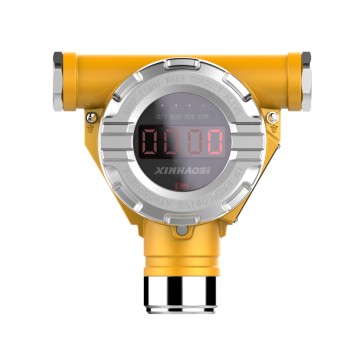
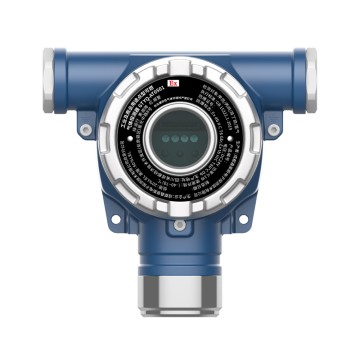
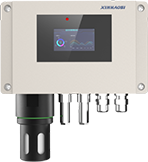
After digestion, sludge is dewatered and dried. The thermal drying process involves high temperatures, which can accelerate the release of residual volatile organic compounds (VOCs) and methane. In these areas, the risk of a dust explosion combined with combustible gas creates a highly volatile hybrid hazard. Explosion-proof combustible gas detectors (such as the GTYQ-AT0501 series) must be strategically placed near centrifuges, belt presses, and thermal dryers. They are integrated into the plant's safety instrumented system (SIS) to automatically halt heating elements and flood the area with inert gas if methane levels approach 10% of the LEL.
While primarily designed to scrub H2S and ammonia to prevent nuisance odors, biofilters and chemical scrubbers can inadvertently become traps for methane if the airflow is restricted. Monitoring the exhaust of these systems ensures that explosive mixtures are not being vented into areas where electrical equipment or vehicle traffic could provide an ignition source. Advanced detectors with AI-driven drift compensation ensure that the sensors remain accurate even when exposed to the complex chemical cocktails present in odor control exhausts.
From precision industrial detection to urban gas distribution monitoring, we cover all aspects of gas safety.
Safety First from Precision Sensing

Home Safety from Gas Monitoring
Protecting from the Source
Smart Sensing for Urban Gas
The future of gas detection in wastewater treatment and sewage plants is being rapidly reshaped by the integration of Artificial Intelligence (AI), the Internet of Things (IoT), and advanced materials science. As facilities transition toward "Smart Water" management, gas detectors are evolving from simple alarm triggers into intelligent nodes within a comprehensive predictive maintenance ecosystem.
One of the most significant trends is the implementation of AI-Driven Predictive Analytics. Traditional detectors alert operators only when a hazard is already present. Next-generation methane detectors utilize edge computing to analyze micro-fluctuations in gas concentration over time. By combining this data with environmental variables like temperature, humidity, and atmospheric pressure, the AI algorithms can predict a potential gas build-up hours or even days before it reaches critical LEL levels. This allows plant managers to schedule proactive maintenance on failing seals or adjust ventilation rates dynamically, optimizing energy consumption while enhancing safety.
Another major leap forward is the adoption of Wireless Mesh Networking (such as WirelessHART and ISA100). Wiring traditional detectors across a sprawling, multi-acre sewage plant involves massive capital expenditure in explosion-proof conduit and cabling. Modern wireless gas detectors eliminate this barrier, allowing for high-density sensor deployment even in hard-to-reach areas like the top of digester domes or deep inside remote pump stations. These self-healing mesh networks ensure that even if one sensor's communication path is blocked, the critical safety data will automatically route through neighboring devices to reach the central control room.
Furthermore, sensor technology itself is advancing. We are seeing a shift towards Dual-Beam NDIR sensors and advanced MEMS (Micro-Electromechanical Systems) technology. These innovations drastically reduce power consumption, extend the sensor's lifespan to over 10 years, and eliminate the need for frequent manual calibrations. The integration of Bluetooth Low Energy (BLE) allows technicians to perform diagnostics, download event logs, and calibrate the detectors using intrinsically safe smartphones without ever having to open the explosion-proof enclosure in a hazardous area. This not only saves time but significantly reduces the risk to personnel.
Stay tuned for the latest updates from Xinhaosi & the Industry.
The global gas detection industry is witnessing a surge of technological breakthroughs in early 2026, with leading players launching advanced solutions that integrate precision sensing, real-time connectivity, and multi-functional safety features.
As Battery Energy Storage Systems (BESS) play an increasingly critical role, the demand for specialized gas detection equipment tailored to safety needs is surging—driven by risks like thermal runaway and methane (CH4) release.
New national standards and technical regulations for gas detection equipment have been rolled out in 2026, marking a critical shift toward stricter safety oversight and pre-accident prevention across high-risk sectors.
Our full range of precision instruments designed to detect, monitor, and control combustible and toxic gases across all industrial and municipal applications.
Trusted by industry leaders worldwide to deliver uncompromising safety and reliability.