Leave Your Message
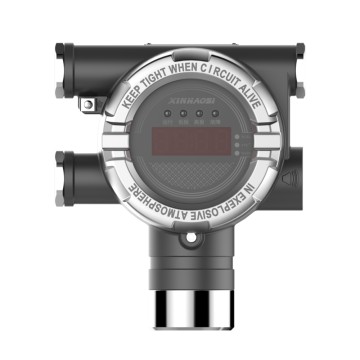
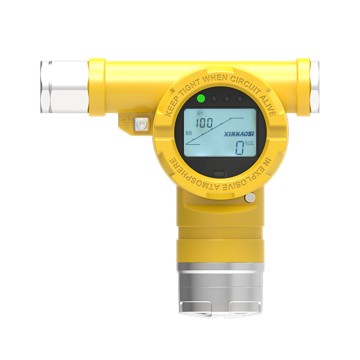
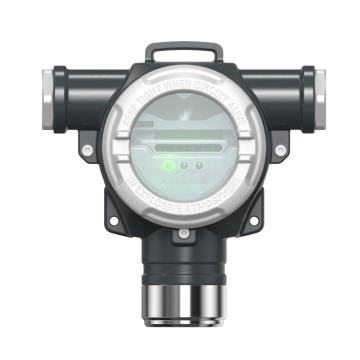
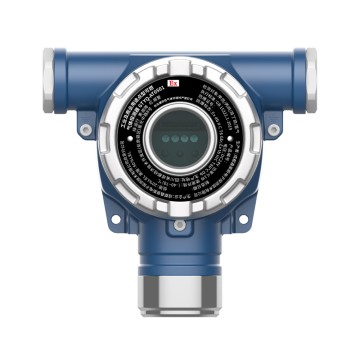
Precision-engineered combustible gas detection devices designed for boiler room environments in hotels, apartments, and residential complexes.
Liquefied petroleum gas (LPG) is one of the most widely used energy sources powering boiler systems across hotels, apartment complexes, and residential buildings worldwide. While LPG offers exceptional energy efficiency and cost-effectiveness, it carries inherent risks: it is heavier than air, meaning any leak will accumulate at floor level in enclosed boiler rooms — creating explosive and asphyxiation hazards that can escalate rapidly without detection.
Hotel boiler rooms present a uniquely complex risk environment. They operate continuously, often unattended during night shifts, and serve critical functions including hot water supply, space heating, laundry, and kitchen operations. A single undetected LP gas leak in such a confined mechanical space can result in catastrophic fire, explosion, or mass carbon monoxide poisoning — endangering guests, staff, and the entire property.
⚠️ According to global fire safety statistics, over 35% of commercial building gas incidents originate in boiler rooms and mechanical plant areas — making LP gas leak detectors the first line of defense.
Residential boiler rooms in apartment buildings and housing estates face similar risks, compounded by the presence of families, children, and elderly residents. Regulatory bodies across Europe, North America, and Asia-Pacific have progressively tightened mandatory requirements for gas detection systems in these environments, driving rapid market adoption of advanced LP gas leak detectors.
The global gas detection equipment market was valued at approximately USD 4.8 billion in 2024 and is projected to exceed USD 8.2 billion by 2032, growing at a CAGR of over 7.1%. Within this market, combustible and LP gas detectors for commercial hospitality and residential applications represent one of the fastest-growing sub-segments, driven by:
🏨 Hospitality Sector Expansion: The global hotel industry's post-pandemic recovery has accelerated infrastructure upgrades. Hotel operators are investing heavily in safety compliance systems, with LP gas detection being a mandatory component in jurisdictions including the EU, UK, China, and Southeast Asia.
🏘️ Residential Construction Boom: Rapid urbanization across Asia-Pacific, the Middle East, and Africa is fueling demand for centralized gas boiler systems in high-rise residential developments, each requiring certified LP gas monitoring infrastructure.
📋 Regulatory Tightening: New national standards taking effect in 2025–2026 across China, Europe, and North America mandate automatic gas shutoff integration with detection systems — dramatically expanding the addressable market for smart LP gas detectors.
🔗 IoT & Smart Building Integration: The convergence of building management systems (BMS) and IoT connectivity is transforming LP gas detectors from standalone alarms into networked safety nodes, enabling remote monitoring, predictive maintenance, and automated emergency response.
Not all gas detectors are created equal. Boiler room environments demand specialized performance characteristics that go beyond basic residential alarms.
Advanced catalytic bead or infrared sensor technology provides accurate LP gas concentration measurement from 0–100% LEL, with fast response times under 30 seconds — critical in confined boiler room spaces where gas can accumulate rapidly.
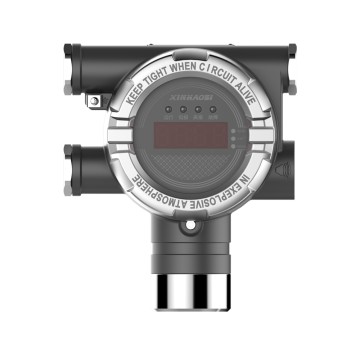
ATEX, IECEx, and GB-certified explosion-proof housings ensure the detector itself cannot ignite the gas it's monitoring — an essential requirement for boiler rooms classified as Zone 1 or Zone 2 hazardous areas.
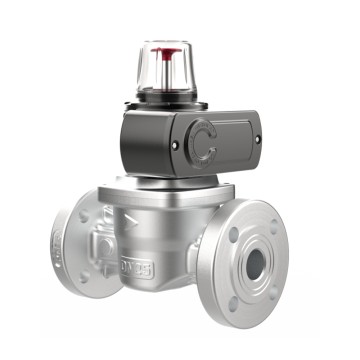
Seamless integration with solenoid gas shutoff valves enables immediate automatic gas supply termination upon alarm activation — preventing escalation from leak to explosion in unattended boiler rooms.
RS485, Modbus, 4-20mA, and wireless communication protocols enable integration with hotel BMS platforms and residential smart building systems for 24/7 centralized remote monitoring and instant alert notification.
Boiler rooms experience extreme temperature fluctuations. Industrial-grade LP gas detectors operate reliably across -40°C to +85°C ambient temperature ranges, maintaining sensor accuracy regardless of seasonal or operational conditions.
Premium catalytic and infrared sensor elements with 3–5 year operational lifespans, combined with built-in self-diagnostic functions and remote calibration capability, minimize maintenance burden for hotel facilities teams.
Understanding the specific deployment contexts helps facility managers and safety engineers select and position LP gas detectors for maximum protective effectiveness.
Large hotels and resorts operate centralized boiler plants supplying hot water and heating to hundreds of rooms simultaneously. These boiler rooms typically house multiple high-capacity LPG-fired boilers, storage vessels, and distribution pipework. LP gas detectors must be positioned at low-level points (LPG is denser than air), near pipe joints, valve clusters, and burner assemblies. Multi-point detection networks with centralized control panels are standard, enabling zone-specific alarm management and integration with the hotel's fire alarm and BMS systems. Automatic gas shutoff valves linked to detector outputs ensure that any leak triggers immediate fuel isolation before ignition sources can cause an incident.
High-rise apartment buildings and housing estates with shared boiler plants present unique challenges: these facilities often operate with minimal on-site supervision, and a gas incident can affect dozens of families simultaneously. LP gas detectors in residential boiler rooms must provide reliable 24/7 autonomous monitoring with audible and visual local alarms, plus remote notification to building management or security stations. Detectors compliant with residential safety standards (EN 50194, GB 15322) are required, and integration with building intercom and emergency response systems is increasingly mandated by local building codes across major urban markets.
Beyond the main boiler room, large hotel kitchens and catering preparation areas use LPG for cooking equipment. Adjacent gas storage and distribution rooms require dedicated LP gas leak detectors calibrated for propane/butane mixtures. These environments demand detectors with IP65 or higher ingress protection ratings to withstand steam, grease, and cleaning chemical exposure. Fast-response sensors with alarm-to-shutoff response times under 60 seconds are essential to prevent kitchen fire incidents that could rapidly spread through hotel HVAC systems.
Many premium hotels operate dedicated LPG-fired heating systems for swimming pools, spas, and wellness facilities. These plant rooms are often located in basement or semi-enclosed areas with limited natural ventilation — creating conditions where LP gas leaks can accumulate to dangerous concentrations quickly. Continuous LP gas monitoring with low-threshold alarm setpoints (typically 10% LEL for first alarm, 25% LEL for evacuation/shutoff) provides the early warning margin needed to prevent incidents in these high-occupancy amenity areas.
Modern mixed-use developments combining hotel, residential, retail, and office functions in a single complex require integrated LP gas detection architectures spanning multiple boiler rooms, gas meter rooms, and distribution corridors. Networked detection systems using RS485/Modbus communication enable centralized monitoring of all gas hazard zones from a single control room, with zone-specific alarm management, event logging, and integration with the building's overall safety management platform. This approach is becoming the standard specification for Class A commercial developments in Asia-Pacific and European markets.
The next generation of LP gas detection for hotel and residential boiler rooms is defined by intelligent connectivity. Smart LP gas detectors with built-in IoT modules transmit real-time gas concentration data, sensor health status, and alarm events to cloud-based building management platforms. Facility managers receive instant mobile push notifications of any gas anomaly, while AI-powered analytics identify sensor drift trends and predict maintenance needs before failures occur. This predictive safety model is rapidly gaining adoption among premium hotel chains and large residential property managers seeking to optimize both safety outcomes and operational efficiency.
The LP gas detector market for hotel and residential boiler rooms is undergoing rapid transformation driven by technology, regulation, and sustainability imperatives.
📲 AI-Powered Predictive Analytics: Machine learning algorithms are being embedded in gas detection control systems to distinguish between genuine gas leaks and sensor interference, dramatically reducing false alarm rates in hotel environments where nuisance alarms disrupt operations and erode staff confidence in safety systems.
🔋 Wireless & Battery-Powered Solutions: Advances in low-power sensor technology are enabling wireless LP gas detectors that can be deployed in retrofit applications without expensive cable installation — ideal for upgrading existing hotel boiler rooms to modern safety standards without major renovation works.
🌱 Green Building Compliance: As hotels and residential developers pursue LEED, BREEAM, and WELL building certifications, integrated gas safety systems including LP gas detection are increasingly specified as standard components of sustainable building infrastructure.
⚡ Hydrogen Blend Readiness: As energy networks transition toward hydrogen-blended gas supplies, LP gas detectors for boiler rooms must be capable of detecting both traditional LPG and hydrogen-LPG mixtures. Next-generation multi-gas detectors addressing this requirement are already entering the market.
🏛️ Stricter Mandatory Standards: Multiple new national and international standards for gas detection equipment took effect in 2025–2026, including updated EN 50194 requirements in Europe, revised GB 15322 standards in China, and NFPA 72 updates in North America. These standards mandate enhanced performance requirements for LP gas detectors in commercial and residential boiler applications.
🔗 Mandatory Shutoff Integration: Regulatory bodies in China, the EU, and several Asia-Pacific markets now require LP gas detectors in commercial boiler rooms to be directly integrated with automatic gas shutoff valves — creating significant demand for complete detection-and-shutoff system packages.
📊 Digital Record-Keeping Requirements: New compliance frameworks require facilities to maintain digital logs of gas detection system performance, alarm events, and maintenance activities. Smart LP gas detectors with built-in data logging and cloud reporting capabilities directly address this requirement, simplifying compliance management for hotel operators.
🌏 Global Market Standardization: International harmonization of gas detection standards is enabling manufacturers to develop globally certified LP gas detector platforms suitable for hotel and residential boiler applications across multiple regulatory jurisdictions — reducing procurement complexity for international hotel chains.
From industrial-grade explosion-proof detectors to smart household systems — Xinhaosi delivers a full portfolio of LP gas leak detection solutions.
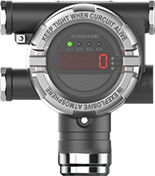
Safety First from Precision Sensing
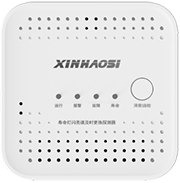
Home & Commercial Gas Monitoring Safety
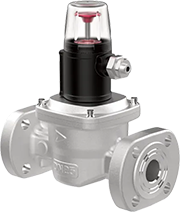
Protecting from the Source
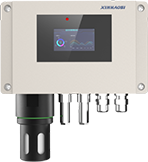
Smart Sensing for Urban Gas Networks


We utilize advanced electronic detection technology to make unknown gas leak risks — including LP gas in hotel and residential boiler rooms — clear and visible. Our mission is to transform invisible dangers into manageable, preventable safety events.
Founded in 2003, Xinhaosi is one of the most influential and reliable brands in the gas safety industry. We provide customer-focused products and services to safeguard the safe operation of every factory, the comfort of every city, the peace and happiness of every home. Powered by cutting-edge production systems and technology, we deliver more advanced, intuitive, and precise gas safety solutions for shaping a safer future world.
With over two decades of expertise in LP gas leak detection for commercial hospitality and residential applications, Xinhaosi's products are trusted by leading hotel chains, property developers, and facility management companies across 60+ countries worldwide.
More About UsEmpowered by technology, full-chain integration, and comprehensive protection — Xinhaosi delivers complete LP gas safety ecosystems from detection to automatic shutoff, remote monitoring to compliance reporting. Shaping the future of boiler room safety with intelligence.
Xinhaosi LP gas detection solutions are trusted by leading organizations across hospitality, real estate, energy, and industrial sectors worldwide.
























Stay tuned for the latest updates from Xinhaosi & the Industry.
January 20, 2026 – The global gas detection industry is witnessing a surge of technological breakthroughs in early 2026, with leading players launching advanced solutions that integrate precision sensing, real-time connectivity, and multi-functional safety features to address evolving risks in high-hazard sectors like oil and gas, chemicals, and refining.
As Battery Energy Storage Systems (BESS) play an increasingly critical role in global renewable energy grids, the demand for specialized gas detection equipment tailored to BESS safety needs is surging — driven by risks like thermal runaway, which releases hazardous gases such as hydrogen (H₂), carbon monoxide (CO) and methane (CH₄).
Jan. 22, 2026 – China has rolled out a suite of new national standards and technical regulations for gas detection equipment in 2026, marking a critical shift toward stricter safety oversight and pre-accident prevention across high-risk sectors like petrochemicals, catering, and municipal engineering.
Explore our full range of LP gas safety products for hotel boiler rooms, residential boiler plants, and commercial gas applications.