Leave Your Message
As the global energy landscape undergoes a paradigm shift toward cleaner fuels, methane (CH₄) has emerged as a critical focal point. In power generation and energy utility stations, methane is not just a primary fuel source—it is a potent greenhouse gas and a significant safety hazard. The demand for a high-precision Methane Gas Detector for Power Generation has reached an all-time high, driven by the dual pressures of operational safety and environmental sustainability.
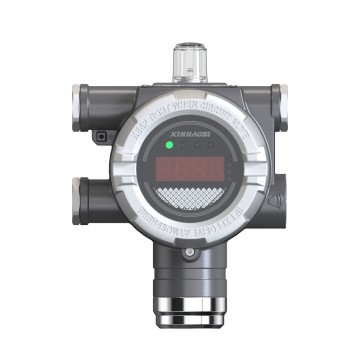
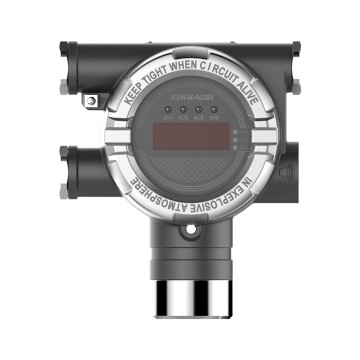
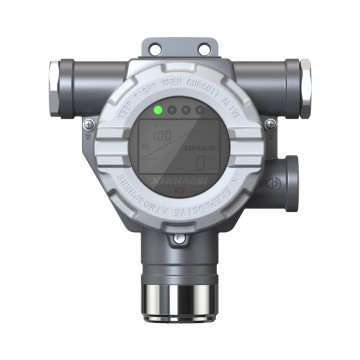
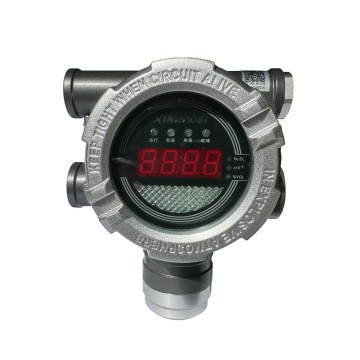
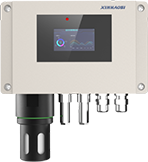
Many power generation facilities are transitioning from coal-fired plants to Natural Gas Combined Cycle (NGCC) systems. While natural gas is more efficient, its primary component—methane—is highly flammable. A leak in a high-pressure turbine room or a fuel delivery pipeline can lead to catastrophic explosions. This makes the deployment of explosion-proof detectors like the GTYQ-AT0602A essential for modern energy infrastructure.
Safety First from Precision Sensing

Home Safety from Gas Monitoring
Protecting from the Source
Smart Sensing for Urban Gas
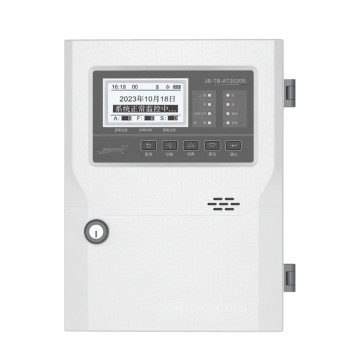
In urban environments, energy utilities often run through underground tunnels. These confined spaces are prone to methane accumulation from organic decay or gas pipe leaks. A specialized methane gas detector must provide real-time data to a central controller, such as the JB-TB-AT2020S, to trigger ventilation systems before a combustible concentration is reached.
Renewable energy stations utilizing biogas face unique challenges. Biogas contains high concentrations of methane but is also laden with moisture and corrosive elements like H₂S. Modern detectors must be ruggedized to withstand these environments while maintaining calibration accuracy. The use of infrared (IR) sensing technology is becoming the standard here because it does not require oxygen and is resistant to sensor "poisoning."


Founded in 2003, Xinhaosi is one of the most influential and reliable brands in the gas safety industry. We provide customer-focused products and services to safeguard the safe operation of every factory, the comfort of every city, and the peace of every home.
More About UsEmpowered by technology, full-chain integration, and comprehensive protection, we are shaping the future with intelligence.
Explore Our SolutionsThe next decade will see a transformation in how methane is monitored. We are moving away from "reactive" safety toward "predictive" safety.
Artificial Intelligence is now being used to analyze data from networks of methane detectors. By processing variables like wind speed, temperature, and historical leak patterns, AI can predict potential failure points in a utility station’s infrastructure before a leak even occurs. This "Digital Twin" approach allows for smarter maintenance schedules and reduced downtime.
Hard-wiring hundreds of detectors in a sprawling power plant is expensive. The trend is moving toward wireless LoRaWAN or 5G-enabled detectors. These devices can be deployed rapidly and provide instant cloud-based alerts to mobile devices, ensuring that safety managers are informed no matter where they are.
Tunable Diode Laser Absorption Spectroscopy (TDLAS) is gaining traction for open-path methane detection. This technology can monitor a line of several hundred meters, making it ideal for perimeter monitoring around large natural gas storage tanks at utility stations. It is highly specific to methane, eliminating false alarms from other hydrocarbons.






The global gas detection industry is witnessing a surge of technological breakthroughs integrating precision sensing and real-time connectivity.
As Battery Energy Storage Systems play a critical role, specialized methane detection is surging to address thermal runaway risks.
China has rolled out new national standards for gas detection equipment, raising the safety bar for petrochemical and utility sectors.
Addressing evolving risks in high-hazard sectors like oil and gas, chemicals, and refining through advanced monitoring.
Beyond safety, there is a strong business case for investing in high-quality methane gas detectors. In the current economic climate, "gas lost is money lost." By identifying small leaks early, utility companies can save thousands of dollars in wasted fuel.
Environmental, Social, and Governance (ESG) reporting is now mandatory for many energy firms. Methane is 80 times more potent than CO2 over a 20-year period. Demonstrating a robust methane monitoring strategy is essential for attracting green investment and avoiding heavy carbon taxes.
Methane leaks are often symptomatic of aging infrastructure. By using detectors as part of a predictive maintenance program, utility stations can extend the life of their turbines, valves, and pipelines, ensuring a higher return on investment (ROI).
Selecting a Methane Gas Detector for Power Generation and Energy Utility Stations is a decision that impacts human lives, environmental health, and corporate profitability. At Xinhaosi, we combine two decades of experience with cutting-edge AI-driven technology to provide solutions that are not just compliant, but future-proof.
Whether you are managing a traditional gas power plant, a modern BESS facility, or an urban utility network, our range of explosion-proof detectors and intelligent controllers provides the precision and reliability you need. Explore our full range of products and join our global network of partners in building a safer, more sustainable energy future.