Leave Your Message
Commercial kitchens and food processing facilities face unique and complex gas safety challenges. From natural gas leaks in cooking equipment to refrigerant emissions from cooling systems, carbon monoxide from combustion appliances, and volatile organic compounds from cleaning agents, these environments require comprehensive multi-gas monitoring solutions.
The food industry has witnessed significant growth in safety regulations and standards over the past decade. According to industry reports, gas-related incidents in commercial kitchens account for over 15% of workplace accidents in the food service sector, resulting in property damage, injuries, and operational disruptions.
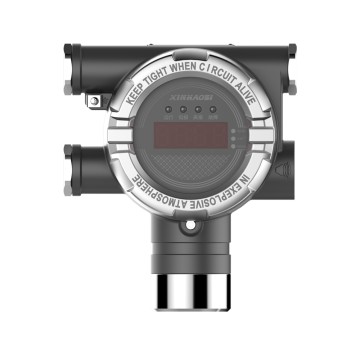
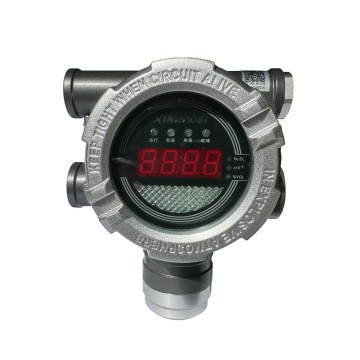
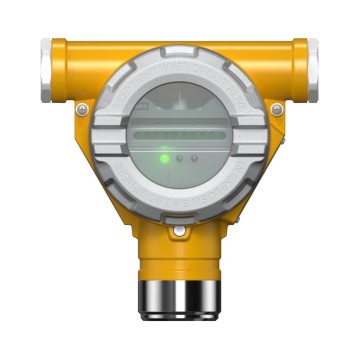
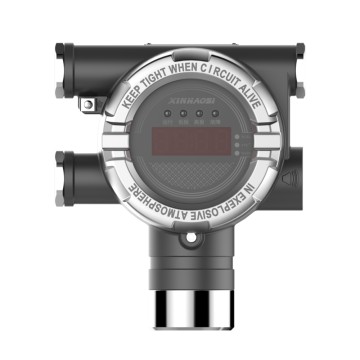
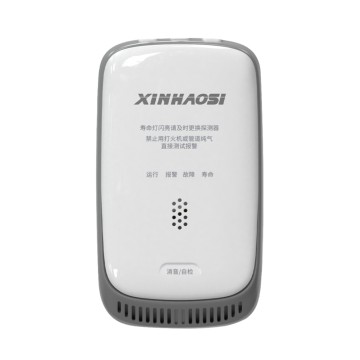
Modern multi gas detectors have become essential safety equipment, capable of simultaneously monitoring combustible gases (methane, propane, natural gas), toxic gases (carbon monoxide, hydrogen sulfide, ammonia), and oxygen deficiency - all critical parameters in food preparation and processing environments.

Simultaneous monitoring of combustible gases, toxic gases, oxygen levels, and VOCs with high precision sensors designed for food industry environments.
IP65-rated enclosures withstand high humidity, temperature fluctuations, and washdown procedures common in commercial kitchens and food processing plants.
ATEX and IECEx certified explosion-proof construction suitable for hazardous areas where flammable gases may be present during food preparation.
IoT-enabled devices with wireless communication, cloud integration, and mobile app monitoring for real-time alerts and remote management.
Visual, audible, and vibration alarms with customizable threshold settings ensure immediate notification of hazardous conditions.
Plug-and-play sensor modules, self-diagnostic functions, and automatic calibration reduce maintenance time and operational costs.
The global market for gas detection systems in the food industry is experiencing robust growth, projected to reach $2.8 billion by 2028, with a CAGR of 7.2%. This growth is driven by increasingly stringent safety regulations, rising awareness of workplace safety, and technological advancements in sensor technology.
Key market drivers include:
• Mandatory compliance with OSHA, NFPA, and local fire safety codes requiring continuous gas monitoring in commercial kitchens
• Insurance companies offering premium reductions for facilities equipped with certified multi-gas detection systems
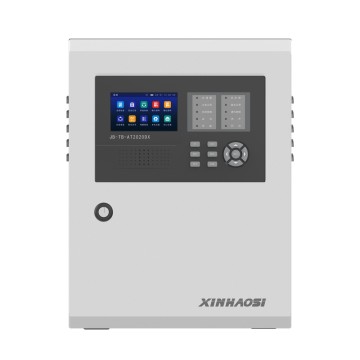
• Growing adoption of smart building technologies integrating gas detection with building management systems
• Increased focus on employee safety and corporate responsibility in the food service industry
• Rising incidents of gas leaks and carbon monoxide poisoning driving demand for preventive safety measures
The industry is witnessing rapid technological evolution with the integration of artificial intelligence and machine learning algorithms that can predict potential gas leak scenarios based on historical data patterns. Wireless mesh networks enable comprehensive coverage across large food processing facilities without extensive cabling infrastructure.
Miniaturization of sensors and development of low-power consumption devices are making it feasible to deploy extensive monitoring networks even in small commercial kitchens. Advanced electrochemical and infrared sensors now offer detection sensitivity in the parts-per-billion range, ensuring early warning before hazardous concentrations develop.
Studies show that 78% of commercial kitchen fires involve cooking equipment, with gas leaks being a contributing factor in 23% of cases. Proper multi-gas detection systems can reduce incident response time by 85% and prevent 92% of potential gas-related accidents through early warning mechanisms.
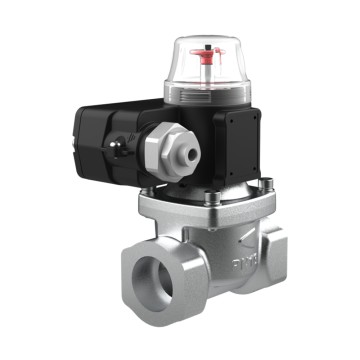
High-volume restaurants utilize multiple gas-powered cooking appliances including ranges, ovens, fryers, and grills. Multi-gas detectors monitor natural gas and propane leaks from supply lines and appliances, carbon monoxide from incomplete combustion, and oxygen depletion in poorly ventilated spaces. Strategic placement near gas manifolds, cooking lines, and in mechanical rooms ensures comprehensive coverage. Integration with automatic gas shut-off valves and ventilation systems provides immediate response to detected hazards.
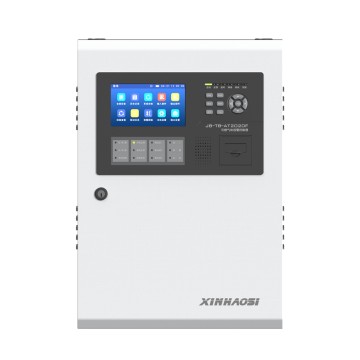
Large-scale food processing facilities face complex gas safety challenges including ammonia leaks from refrigeration systems, carbon dioxide from fermentation processes, hydrogen sulfide from organic material decomposition, and combustible dust in grain processing areas. Multi-gas detection networks with centralized monitoring stations track conditions across production floors, cold storage areas, packaging lines, and waste management zones. Real-time data logging supports HACCP compliance and regulatory reporting requirements.
Hotels, hospitals, schools, and correctional facilities operate large-scale kitchen operations serving hundreds or thousands of meals daily. These environments require robust gas detection systems that operate continuously with minimal maintenance. Wireless multi-gas detectors eliminate complex wiring in existing buildings while providing coverage in kitchens, serving areas, dishwashing stations, and adjacent dining spaces. Cloud-based monitoring enables facility management teams to oversee multiple locations from centralized dashboards.
Catering operations and mobile food trucks present unique challenges with portable gas equipment, temporary installations, and outdoor cooking environments. Portable multi-gas detectors with battery operation and wireless connectivity provide flexible safety monitoring for event catering, food festivals, and mobile kitchen operations. Compact designs allow installation in confined spaces while maintaining detection accuracy across varying environmental conditions.
Commercial bakeries utilize gas-fired ovens operating at high temperatures for extended periods. Multi-gas detection systems monitor combustion efficiency, detect gas leaks from burner assemblies and supply lines, and track carbon monoxide levels that can accumulate during overnight baking operations. Integration with oven control systems enables automatic shutdown procedures when hazardous conditions are detected, protecting both personnel and valuable equipment.
Industrial refrigeration systems in food storage warehouses and distribution centers commonly use ammonia as a refrigerant. Ammonia gas detectors positioned throughout refrigeration machinery rooms, cold storage areas, and loading docks provide early warning of refrigerant leaks. Multi-stage alarm systems alert personnel at different concentration thresholds, enabling appropriate response from minor leak investigation to facility evacuation. Continuous monitoring and data logging support regulatory compliance and preventive maintenance programs.
Multi-gas detectors for commercial kitchens and food processing must comply with numerous international standards and regulations. Key certifications include ATEX (Europe), IECEx (International), UL (North America), and CSA standards for hazardous location equipment. Food industry-specific requirements often mandate NSF certification for equipment used in food preparation areas.
Recent regulatory developments in 2026 include updated NFPA 96 standards for commercial cooking operations, requiring enhanced gas detection capabilities in kitchen ventilation systems. The FDA Food Safety Modernization Act (FSMA) emphasizes preventive controls, positioning gas detection systems as critical components of food safety management plans.
OSHA regulations mandate continuous monitoring in confined spaces and areas where toxic gas exposure may occur. Facilities must maintain detailed records of gas detection system calibration, maintenance, and alarm events to demonstrate compliance during inspections.
Successful deployment of multi-gas detection systems requires comprehensive risk assessment identifying potential gas sources, accumulation areas, and exposure pathways. Detector placement should follow manufacturer guidelines while considering air flow patterns, temperature stratification, and accessibility for maintenance.
Regular calibration schedules using certified gas standards ensure detection accuracy. Most manufacturers recommend monthly bump testing and quarterly full calibration procedures. Documentation of all testing and maintenance activities provides evidence of due diligence and regulatory compliance.
Staff training programs should cover gas hazard recognition, alarm response procedures, emergency evacuation protocols, and basic troubleshooting of detection equipment. Regular drills ensure personnel can respond effectively when actual gas leak incidents occur.
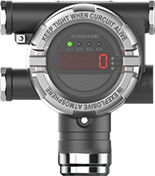

Home Safety from Gas Monitoring
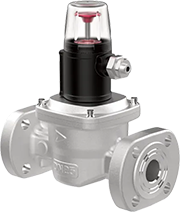
Protecting from the Source
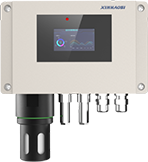
Smart Sensing for Urban Gas

Founded in 2003, Xinhaosi is one of the most influential and reliable brands in gas safety industry. We provide customer-focused products and services to safeguard the safe operation of every factory, the comfort of every city, the peace and happiness of every home. Powered by cutting‑edge production systems and technology, we deliver more advanced, intuitive, and precise gas safety solutions for shaping a safer future world.
























January 20, 2026 – The global gas detection industry is witnessing a surge of technological breakthroughs in early 2026, with leading players launching advanced solutions that integrate precision sensing, real-time connectivity, and multi-functional safety features to address evolving risks in high-hazard sectors like oil and gas, chemicals, and refining.
As Battery Energy Storage Systems (BESS) play an increasingly critical role in global renewable energy grids, the demand for specialized gas detection equipment tailored to BESS safety needs is surging—driven by risks like thermal runaway, which releases hazardous gases such as hydrogen (H₂), carbon monoxide (CO) and methane (CH₄).
Jan. 22, 2026 – China has rolled out a suite of new national standards and technical regulations for gas detection equipment in 2026, marking a critical shift toward stricter safety oversight and pre-accident prevention across high-risk sectors like petrochemicals, catering, and municipal engineering.