Leave Your Message
Engineered for the rigorous demands of chemical manufacturing and processing laboratories.
In the highly volatile environment of Chemical Manufacturing and Processing Labs, safety cannot be compromised. The integration of advanced natural gas detectors is not merely a regulatory formality; it is the frontline defense against catastrophic events. Natural gas, primarily composed of methane, alongside various Volatile Organic Compounds (VOCs) utilized in chemical synthesis, presents severe flammability and explosive risks when mixed with ambient air in confined laboratory spaces.
The global industrial gas detection market has witnessed exponential growth, driven by stringent regulatory frameworks such as OSHA's Process Safety Management (PSM) standards (29 CFR 1910.119) and the EPA's Risk Management Plan (RMP) rules. Today's commercial landscape demands more than just basic alarms. Chemical plant operators require highly sophisticated, explosion-proof monitoring systems capable of continuous, precise measurement in harsh environments characterized by extreme temperatures, corrosive vapors, and high humidity.
Failure to implement robust combustible gas monitoring systems can lead to devastating consequences, including loss of life, massive infrastructure damage, and severe environmental contamination. The financial liabilities associated with downtime and regulatory fines far outweigh the investment in state-of-the-art detection technology. As chemical processing facilities scale up, the transition from reactive safety measures to proactive, continuous monitoring networks has become the definitive industry standard.
Essential ATEX, IECEx, and SIL2/SIL3 certifications ensure detectors operate safely even within Zone 0 and Zone 1 hazardous classified areas without becoming an ignition source.
Utilizing NDIR (Non-Dispersive Infrared) and Catalytic Bead sensors to provide sub-second response times to Lower Explosive Limit (LEL) breaches.
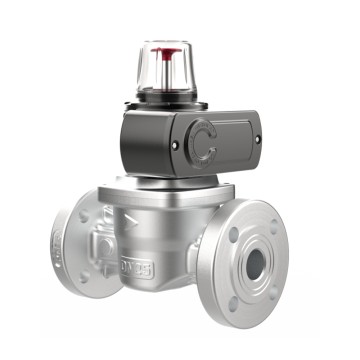
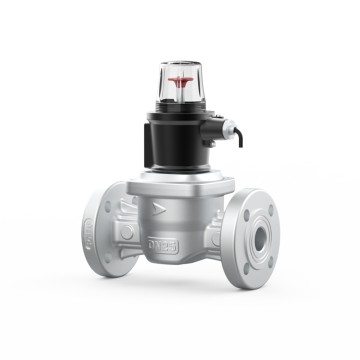
Direct integration with industrial solenoid valves to instantly cut off gas supply lines at the first sign of an anomalous leak.

Future Ready Solutions for Chemical Plants

Founded in 2003, Xinhaosi is one of the most influential and reliable brands in the gas safety industry. We provide customer-focused products and services to safeguard the safe operation of every factory, processing lab, and chemical plant.
Powered by cutting-edge production systems and technology, we deliver more advanced, intuitive, and precise gas safety solutions for shaping a safer future world. Our equipment is specifically calibrated to handle the rigors of chemical manufacturing, ensuring that volatile organic compounds and combustible natural gases are monitored with absolute precision.
More About UsUnderstanding where and how to deploy gas detection systems within complex chemical architectures.
In the heart of chemical manufacturing, reactors and distillation columns operate under extreme heat and pressure. The introduction of natural gas as a heating agent or feedstock creates high-risk zones. Detectors deployed here must possess robust Ex d (flameproof) housings. They continuously monitor for fugitive emissions around flanges, valves, and pump seals. The presence of cross-interfering gases requires highly selective sensor technologies, such as advanced NDIR, to prevent false alarms while ensuring actual methane or VOC leaks are instantly detected and mitigated.
Chemical processing labs rely on adjacent tank farms for the storage of raw materials and liquefied gases. These outdoor or semi-enclosed areas are subject to fluctuating environmental conditions. Gas detectors in these zones are typically integrated into a facility-wide wireless network. Utilizing ultrasonic gas leak detectors in tandem with traditional point-based combustible gas sensors provides a comprehensive safety net. Upon detecting a high-pressure leak, the system automatically triggers industrial normally-opened solenoid valves to isolate the compromised storage tank.
Quality control and analytical laboratories within chemical plants utilize natural gas for Bunsen burners, chromatographs, and other precision instruments. These confined spaces present a unique danger: even minor leaks can quickly reach the Lower Explosive Limit (LEL) due to restricted ventilation. Wall-mounted gas detector controllers equipped with visual and audible alarms are critical here. They interface directly with the lab's HVAC system to maximize exhaust ventilation while simultaneously cutting off the localized gas supply, ensuring the safety of laboratory personnel.
Empowered by technology. Full-chain integration. Comprehensive protection.

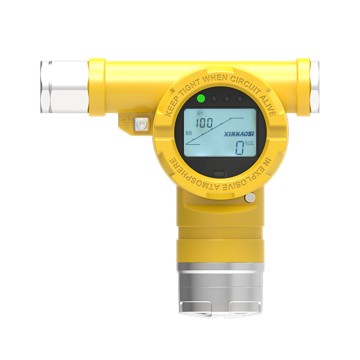
Safety First from Precision Sensing in hazardous manufacturing zones.

Protecting analytical labs and administrative buildings from gas accumulation.

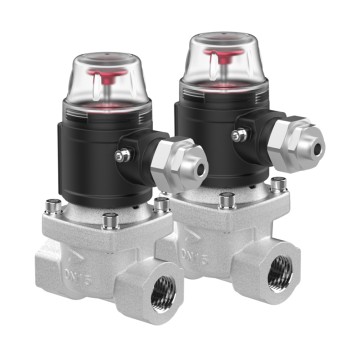
Protecting from the Source: Instant shut-off during chemical emergencies.

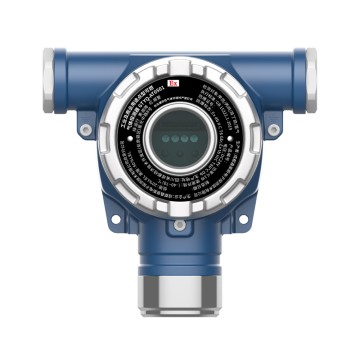
Smart Sensing for complex chemical processing plant pipelines.
The landscape of Natural Gas Detectors For Chemical Manufacturing And Processing Labs is undergoing a paradigm shift, transitioning from isolated analog devices to highly interconnected, intelligent networks. This evolution is spearheaded by the integration of Artificial Intelligence (AI) and the Industrial Internet of Things (IIoT).
Predictive Maintenance and AI Calibration: Traditional gas sensors, particularly catalytic bead types, are susceptible to poisoning by silicons or heavy metals commonly found in chemical processing. This leads to sensor drift. Modern detectors now employ AI algorithms that constantly analyze sensor health data, predicting drift before it compromises safety. This allows facility managers to schedule maintenance proactively, drastically reducing downtime and ensuring the detector responds accurately to actual gas leaks.
Wireless Sensor Networks (WSN): The cost of hardwiring detection systems across a sprawling chemical plant can be prohibitive. The industry is rapidly adopting secure wireless protocols like WirelessHART and ISA100.11a. These self-healing mesh networks allow for the deployment of gas monitors in hard-to-reach processing areas, creating a dense grid of data points that provide a holistic, real-time 3D map of gas concentrations across the facility.
Intelligent False Alarm Reduction: In a chemical lab, false alarms can halt production and cause costly evacuations. Next-generation controllers utilize multi-variable analysis—cross-referencing gas concentration data with temperature, humidity, and pressure sensors. By applying machine learning, the system can distinguish between a genuine natural gas leak and a transient environmental change, ensuring that emergency shut-off solenoid valves are only triggered during genuine crises.
Stay tuned for the latest updates from Xinhaosi & the Industry.
The global gas detection industry is witnessing a surge of technological breakthroughs in early 2026, with leading players launching advanced solutions that integrate precision sensing, real-time connectivity, and multi-functional safety features to address evolving risks in high-hazard sectors like oil and gas, chemicals, and refining.
January 06, 2026As Battery Energy Storage Systems (BESS) play an increasingly critical role in global renewable energy grids, the demand for specialized gas detection equipment tailored to BESS safety needs is surging—driven by risks like thermal runaway, which releases hazardous gases such as hydrogen (H₂), carbon monoxide (CO) and methane (CH₄).
January 06, 2026China has rolled out a suite of new national standards and technical regulations for gas detection equipment in 2026, marking a critical shift toward stricter safety oversight and pre-accident prevention across high-risk sectors like petrochemicals, catering, and municipal engineering.
January 06, 2026Collaborating with global leaders in chemical processing, oil, and gas to ensure uncompromising safety.
























Explore our full range of industrial gas solenoid valves, controllers, and explosion-proof monitoring devices designed for chemical plants.