Leave Your Message
Precision-engineered detection solutions trusted by pharmaceutical manufacturers worldwide
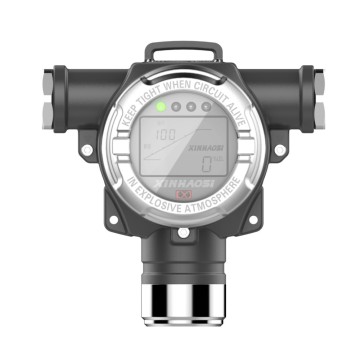
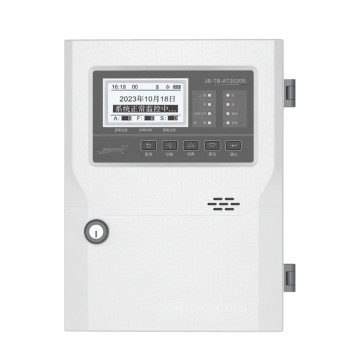
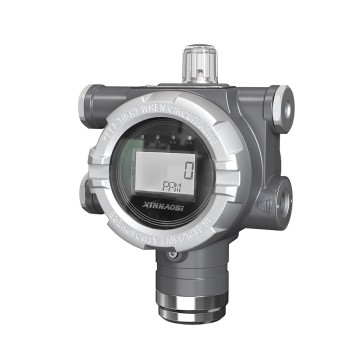
Pharmaceutical cleanrooms and production lines operate under some of the most stringent safety and regulatory requirements in any industry. The synthesis, storage, and handling of active pharmaceutical ingredients (APIs), solvents, reagents, and chemical intermediates inevitably introduces a range of toxic, flammable, and asphyxiating gases into enclosed, controlled environments. A single undetected gas leak can endanger workers, contaminate sterile products, and trigger catastrophic regulatory consequences.
⚠ Over 60% of pharmaceutical production incidents involve hazardous gas exposure — real-time poisonous gas detection is no longer optional, it is a regulatory imperative.
Toxic gases commonly encountered in pharmaceutical facilities include hydrogen chloride (HCl), ammonia (NH₃), formaldehyde (HCHO), ethylene oxide (EtO), chlorine (Cl₂), hydrogen cyanide (HCN), carbon monoxide (CO), and a wide spectrum of volatile organic compounds (VOCs). Each presents unique detection challenges in terms of concentration thresholds, sensor chemistry, and response time requirements.
Modern poisonous gas detectors for pharmaceutical applications are designed to meet GMP (Good Manufacturing Practice) standards, FDA 21 CFR Part 11 data integrity requirements, and international safety certifications including ATEX, IECEx, and SIL 2. They provide continuous, real-time monitoring with multi-level alarm outputs, enabling rapid evacuation, automatic ventilation activation, and process shutdown before dangerous concentrations are reached.
The global pharmaceutical gas detection market is experiencing robust growth, driven by expanding biologics manufacturing, increasing API complexity, stricter environmental health and safety (EHS) regulations, and the rapid proliferation of continuous manufacturing processes. The global pharmaceutical safety market is projected to exceed USD 8.5 billion by 2030, with gas detection systems representing one of the fastest-growing segments.
Emerging trends such as personalized medicine, high-potency APIs (HPAPIs), and advanced therapy medicinal products (ATMPs) are introducing new hazardous gas profiles that traditional detection systems were not designed to address. This is driving significant R&D investment in next-generation sensor technologies including photoionization detection (PID), non-dispersive infrared (NDIR), electrochemical cells, and AI-enhanced pattern recognition algorithms.
📈 The pharmaceutical gas detection segment is growing at a CAGR of 7.2% globally — smart, connected detectors are replacing legacy fixed-point systems.
Regulatory bodies worldwide — including the FDA, EMA, and China NMPA — are increasingly mandating continuous environmental monitoring in cleanroom environments, with gas detection forming a core pillar of Environmental Monitoring Programs (EMPs). Facilities that fail to demonstrate robust gas detection infrastructure face severe consequences including warning letters, import alerts, and facility shutdowns.
Purpose-built features for pharmaceutical cleanroom and production line environments
Detect up to 6 target gases simultaneously using a single device, covering toxic, flammable, oxygen-deficient, and VOC hazards across all cleanroom zones and production stages.
Sub-10-second T90 response times ensure that alarm thresholds are reached before dangerous concentrations accumulate, critical in the tightly sealed environments of pharmaceutical ISO Class 5–8 cleanrooms.
Integrated RS-485, Modbus RTU, 4–20mA, and optional wireless protocols enable seamless integration with SCADA, BMS, and pharmaceutical EMS platforms for centralized monitoring and data logging.
ATEX Zone 1/2 certified enclosures with IP66/IP67 ratings and cleanroom-grade materials ensure compliance with both hazardous area and contamination control requirements simultaneously.
Tamper-proof audit trails, time-stamped event logs, and 21 CFR Part 11-compatible data management ensure full regulatory traceability for FDA and EMA inspections.
Built-in sensor health monitoring, zero-drift compensation, and automated span calibration routines minimize maintenance downtime while maximizing measurement accuracy in demanding pharmaceutical environments.
Where poisonous gas detectors deliver the most critical protection across the pharmaceutical value chain
During active pharmaceutical ingredient synthesis, reactions involving chlorinated solvents, strong acids, and organic intermediates can release HCl, phosgene, SO₂, and VOCs. Continuous multi-point gas monitoring with automatic process interlocks prevents runaway reactions and protects chemical operators in these high-risk zones.
ISO Class 5 and 6 cleanrooms used for sterile filling require monitoring for ethylene oxide (used in sterilization), hydrogen peroxide vapor (VHP), and ozone — all highly toxic at low concentrations. Detectors must combine extreme sensitivity (ppb-level) with cleanroom material compatibility and minimal particle generation.
Pharmaceutical solvent recovery systems handling ethanol, isopropanol, acetone, methanol, and dichloromethane require both flammable gas detection (LEL monitoring) and toxic VOC detection. Explosion-proof detectors with dual-function sensing are essential in these mixed-hazard environments.
Pharmaceutical cold chains rely on ammonia (NH₃) or HFC refrigerant systems. Ammonia leaks at concentrations above 25 ppm are immediately dangerous to life and health (IDLH: 300 ppm). Fixed electrochemical NH₃ detectors with audible/visual alarms and automatic ventilation control are mandatory in these utility spaces.
Quality control laboratories handling reference standards, reagents, and analytical solvents require portable and fixed gas detection for formaldehyde, benzene, toluene, and other carcinogenic VOCs. Photoionization detectors (PID) with ppb-level sensitivity are the preferred technology for laboratory environments.
Tablet coating processes using organic solvent-based coating systems generate significant solvent vapor loads. Continuous LEL monitoring with early warning alarms at 10–20% LEL, combined with automatic exhaust fan interlocks, prevents explosive atmosphere formation in coating suites and spray drying chambers.
Biopharmaceutical fermentation generates CO₂, H₂S, and NH₃ as metabolic byproducts. In enclosed bioreactor halls, CO₂ accumulation can rapidly create oxygen-deficient atmospheres. Multi-gas detectors monitoring O₂, CO₂, and H₂S simultaneously are critical for personnel safety in these enclosed biological processing areas.
Ethylene oxide (EtO) sterilization — widely used for heat-sensitive medical devices and pharmaceutical packaging — presents extreme toxicity risks (OSHA PEL: 1 ppm TWA). Dedicated EtO detectors with electrochemical sensors, combined with room purge monitoring and personnel re-entry authorization systems, are essential safety infrastructure.
The next generation of poisonous gas detection technology is being driven by digitalization, regulation, and new drug modalities
Machine learning algorithms are being integrated into gas detection controllers to analyze sensor drift patterns, predict maintenance needs, and correlate gas events with process parameters — enabling proactive risk management rather than reactive alarm response.
WirelessHART, ISA100.11a, and proprietary mesh network protocols are enabling flexible, infrastructure-light gas detection deployments in pharmaceutical facilities — particularly valuable during facility expansions, temporary production campaigns, and clinical manufacturing operations.
Personal gas monitors are evolving from single-gas clip-on devices to sophisticated multi-gas wearables with GPS tracking, man-down detection, and real-time connectivity to central safety management systems — providing continuous personal protection for pharmaceutical workers across all production zones.
Modern gas detection systems are being designed as native components of Building Management Systems (BMS) and Supervisory Control and Data Acquisition (SCADA) platforms, enabling unified environmental monitoring, automated process interlocks, and comprehensive regulatory reporting from a single platform.
The FDA's Process Safety Management guidelines, EU GMP Annex 1 (2023 revision), and China's updated pharmaceutical manufacturing regulations are all increasing the mandatory requirements for continuous gas monitoring, validated alarm management, and documented gas detection system qualification (IQ/OQ/PQ).
The rise of antibody-drug conjugates (ADCs) and other high-potency compounds is creating demand for ultra-sensitive gas detectors capable of detecting occupational exposure limits (OELs) measured in nanograms per cubic meter — pushing sensor technology to its absolute limits of sensitivity and selectivity.
Comprehensive detection and safety solutions for pharmaceutical, industrial, and commercial applications
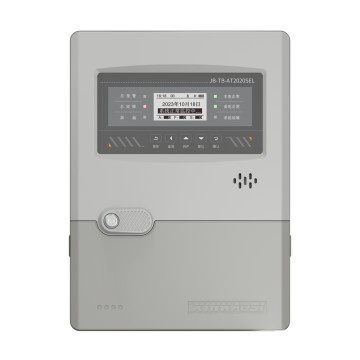
Detection Systems
Safety First from Precision Sensing
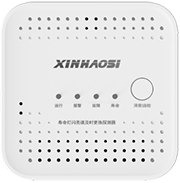
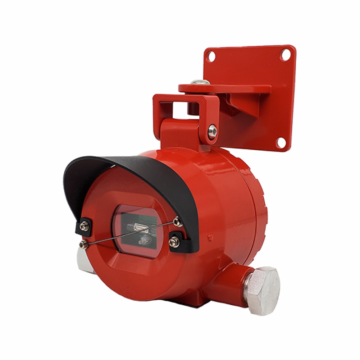
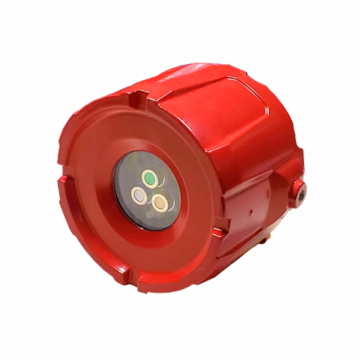
Gas Detectors
Home Safety from Gas Monitoring
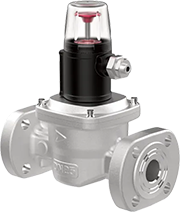
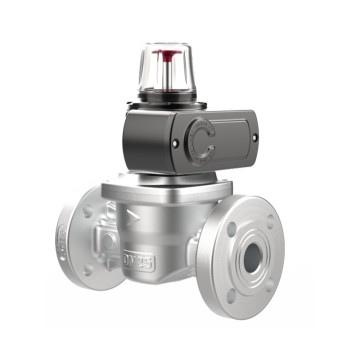
Gas Solenoid Valves
Protecting from the Source
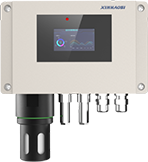
Distribution & Monitoring
Smart Sensing for Urban Gas
Future Ready


We utilize advanced electronic detection technology to make unknown gas leak risks clear and visible.
Founded in 2003, Xinhaosi is one of the most influential and reliable brands in the gas safety industry. We provide customer-focused products and services to safeguard the safe operation of every factory, the comfort of every city, the peace and happiness of every home.
Powered by cutting-edge production systems and technology, we deliver more advanced, intuitive, and precise gas safety solutions — including specialized poisonous gas detectors for pharmaceutical cleanrooms and production lines — for shaping a safer future world. Our solutions comply with international standards including ATEX, IECEx, ISO, and SIL certifications, making us a trusted partner for global pharmaceutical manufacturers seeking reliable gas hazard protection.
More About UsEmpowered by technology, full-chain integration, comprehensive protection — shaping the future of pharmaceutical gas safety with intelligence. From cleanroom sensor deployment to centralized alarm management and regulatory compliance reporting, Xinhaosi delivers complete gas safety ecosystems for pharmaceutical facilities of every scale.
Trusted by leading pharmaceutical manufacturers, chemical companies, and industrial enterprises worldwide
























Stay tuned for the latest updates from Xinhaosi & the Industry
The global gas detection industry is witnessing a surge of technological breakthroughs in early 2026, with leading players launching advanced solutions that integrate precision sensing, real-time connectivity, and multi-functional safety features to address evolving risks in high-hazard sectors like oil and gas, chemicals, and refining.
As Battery Energy Storage Systems (BESS) play an increasingly critical role in global renewable energy grids, the demand for specialized gas detection equipment tailored to BESS safety needs is surging — driven by risks like thermal runaway, which releases hazardous gases such as hydrogen (H₂), carbon monoxide (CO) and methane (CH₄).
China has rolled out a suite of new national standards and technical regulations for gas detection equipment in 2026, marking a critical shift toward stricter safety oversight and pre-accident prevention across high-risk sectors like petrochemicals, catering, and municipal engineering.
Explore our full portfolio of gas detection and safety solutions