Leave Your Message
State-of-the-art detection systems engineered for extreme environments

Precision Sensing

Gas Monitoring Safety

Shut-off Safety

Smart Sensing Systems
Modern power generation facilities and energy utility stations represent some of the most complex, high-risk industrial environments in the world. As the global energy sector transitions from traditional fossil fuels to mixed-energy grids—incorporating natural gas, green hydrogen, and massive battery energy storage systems (BESS)—the risk profile associated with hazardous gas leaks has evolved dramatically. A reliable, high-precision sensor gas detector is no longer just a regulatory compliance checkbox; it is a foundational component of modern plant safety, asset protection, and operational continuity.
Utility stations handle a diverse array of gases under extreme pressures and temperatures. From combustible hydrocarbons like methane in combined cycle gas turbine (CCGT) plants to toxic ammonia used in emissions control systems, and highly flammable hydrogen used for generator cooling, the potential for catastrophic incidents is ever-present. Industrial gas detectors act as the first line of defense, utilizing advanced electrochemical, catalytic bead, infrared (IR), and photoionization (PID) technologies to identify leaks at the parts-per-million (ppm) or lower explosive limit (LEL) levels before they escalate into combustion or toxic exposure events.
The integration of Battery Energy Storage Systems (BESS) and the push toward a hydrogen economy have introduced new chemical hazards, such as battery thermal runaway gases (carbon monoxide, hydrogen, and volatile organic compounds) and hydrogen embrittlement leaks. Consequently, modern energy stations demand integrated, smart gas monitoring networks capable of real-time telemetry and automated emergency shut-offs.
In traditional coal and gas-fired power plants, carbon monoxide (CO) accumulation in pulverized coal silos and methane (CH4) leaks along fuel supply lines are persistent threats. Simultaneously, sulfur hexafluoride (SF6), a potent greenhouse gas used as an insulator in high-voltage switchgear and gas-insulated substations (GIS), requires constant monitoring to prevent environmental release and localized asphyxiation hazards. In the rising renewable sector, specifically green hydrogen production and storage facilities, the extremely small molecular size of hydrogen makes it highly prone to escaping joints and seals, demanding specialized detectors capable of ultra-fast response times.
Empowered by technology, we provide full-chain integration, comprehensive protection, and shape the future of industrial safety with intelligence. Our solutions seamlessly connect high-precision sensor gas detectors with automatic emergency shut-off valves, localized alarms, and centralized SCADA control interfaces.
By leveraging advanced electronic detection, we mitigate unknown risks before they disrupt your utility station's critical operations.
More About Solutions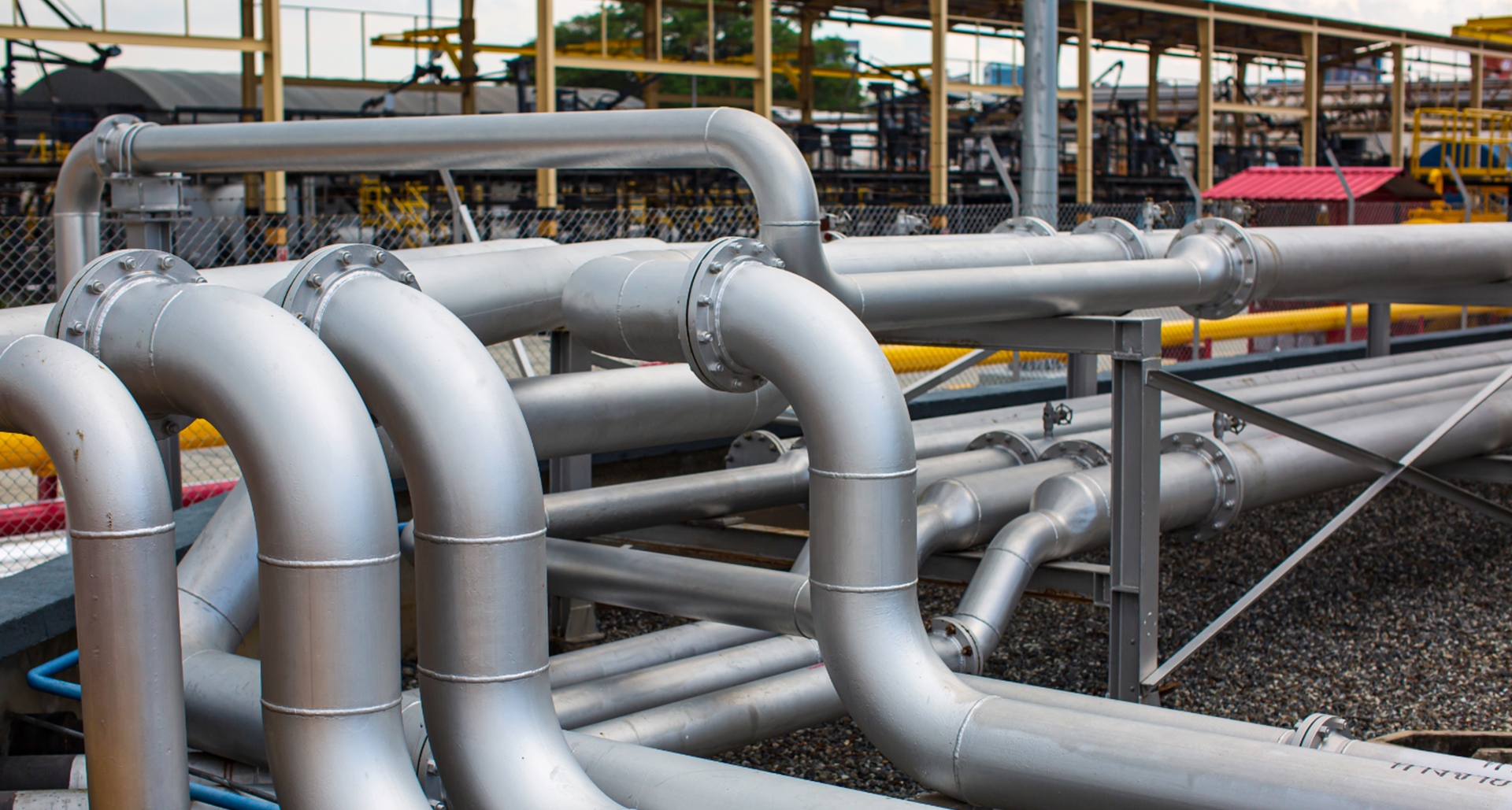
CCGT stations rely heavily on high-pressure natural gas pipelines. The turbine enclosures, gas fuel regulating blocks, and valve yards are susceptible to high-pressure leaks. Since natural gas is lighter than air, it rapidly rises and accumulates in roof spaces and ceiling structures. Standard gas detectors placed at head height may miss these leaks. Therefore, strategic placement of point IR (Infrared) gas detectors and open-path line-of-sight gas detectors is essential to cover wide areas and high-ceiling structures, ensuring immediate detection of methane clouds.
As utility grids incorporate more solar and wind power, massive utility-scale BESS installations are deployed to stabilize power distribution. However, lithium-ion battery cells pose severe thermal runaway risks. During the off-gassing phase (prior to visible smoke or open flame), cells release carbon monoxide (CO), hydrogen (H2), and flammable hydrocarbons. Deploying targeted electrochemical and metal oxide semiconductor sensor gas detectors inside battery racks allows operators to detect thermal runaway at its earliest stage, triggering local ventilation and fire suppression systems before catastrophic propagation occurs.
Because of its high thermal conductivity and low density, hydrogen is widely used to cool large generators in power stations. Additionally, green hydrogen electrolyzer plants are becoming key utility assets. Hydrogen has a very wide flammability range (4% to 75% in air) and a very low ignition energy. Sensor gas detectors designed for hydrogen applications must utilize catalytic bead or specialized electrochemical sensors calibrated to respond within seconds, coupled with explosion-proof enclosures rated for Class I, Division 1, Group B hazardous locations.
Sulfur Hexafluoride (SF6) is used globally as an electrical insulator in high-voltage switchgear. It is highly toxic when decomposed by electrical arcs and is a severe greenhouse gas. Detectors utilizing Non-Dispersive Infrared (NDIR) sensors are deployed in basement cable vaults and GIS halls to monitor low ppm concentrations of SF6, ensuring personnel safety and environmental compliance.

Future Ready Solutions

Founded in 2003, Xinhaosi is one of the most influential and reliable brands in the gas safety industry. We provide customer-focused products and services to safeguard the safe operation of every factory, the comfort of every city, and the peace and happiness of every home. Powered by cutting-edge production systems and technology, we deliver more advanced, intuitive, and precise gas safety solutions for shaping a safer future world.
More About UsThe gas detection industry is undergoing a digital transformation driven by the Industrial Internet of Things (IIoT), artificial intelligence, and advanced sensor manufacturing. Traditional analog gas detectors (4-20mA output) are rapidly giving way to smart, digitally integrated systems that communicate via Modbus, HART, Foundation Fieldbus, and wireless mesh protocols. This allows utility station operators to monitor gas concentrations, sensor health, and calibration schedules remotely from a central control room.
Another significant trend is the rise of multi-sensor fusion. By combining different sensing elements—such as combining catalytic bead with infrared sensors—modern detectors can eliminate false alarms caused by cross-sensitivity to environmental factors like humidity, temperature fluctuations, or non-target gases. Furthermore, the integration of predictive algorithms allows systems to analyze micro-trends in gas concentration levels, identifying slow, creeping leaks long before they trigger a standard high-level alarm.
In high-hazard environments like power plants, safety instrumentation must meet strict Safety Integrity Level (SIL) standards. Modern sensor gas detectors for energy stations are increasingly designed to meet SIL-2 or SIL-3 requirements. This ensures that the device's internal diagnostics can detect component failures automatically, maintaining the integrity of the plant's emergency shutdown (ESD) loops and mitigating risk to the lowest possible level.
Trusted by leading energy and industrial enterprises worldwide
























Stay tuned for the latest updates from Xinhaosi & the Industry.
January 20, 2026 – The global gas detection industry is witnessing a surge of technological breakthroughs in early 2026, with leading players launching advanced solutions that integrate precision sensing, real-time connectivity, and multi-functional safety features to address evolving risks in high-hazard sectors like oil and gas, chemicals, and refining.
As Battery Energy Storage Systems (BESS) play an increasingly critical role in global renewable energy grids, the demand for specialized gas detection equipment tailored to BESS safety needs is surging—driven by risks like thermal runaway, which releases hazardous gases such as hydrogen (H₂), carbon monoxide (CO) and methane (CH₄).
Jan. 22, 2026 – China has rolled out a suite of new national standards and technical regulations for gas detection equipment in 2026, marking a critical shift toward stricter safety oversight and pre-accident prevention across high-risk sectors like petrochemicals, catering, and municipal engineering.
Industrial-grade sensors, detectors, and emergency valves for comprehensive facility protection
View Details →

View Details →
View Details →

View Details →

View Details →
View Details →
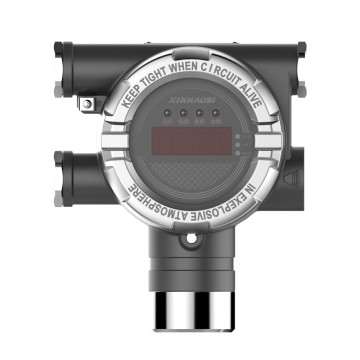
View Details →
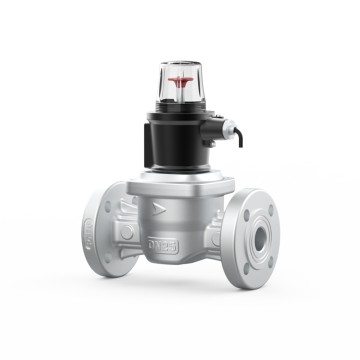
View Details →